Oncology
Who said cancer leads to death? Early diagnosis and treatment can give a long and healthy life
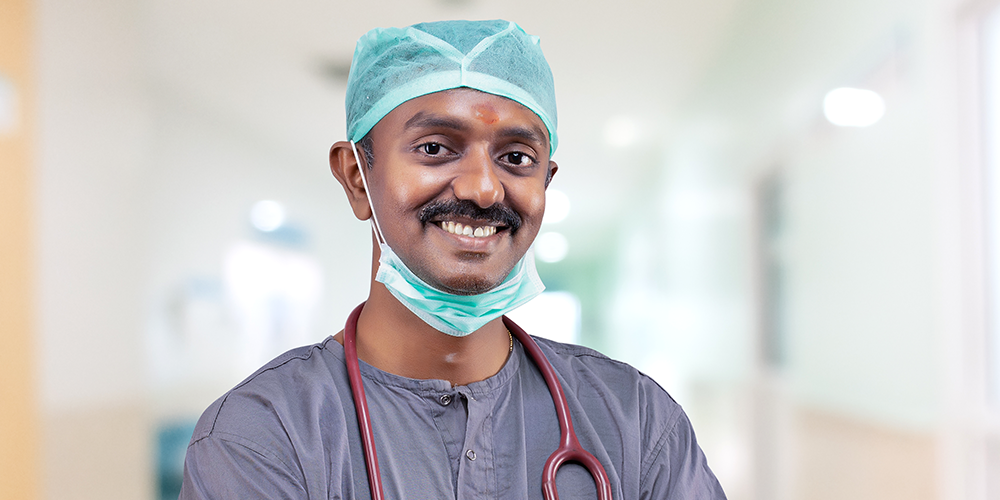
We do surgeries for all types of cancer which are diagnosed in the operable stage.
We do FNAC (Fine Needle Aspiration Cytology ) and trucut needle biopsy for diagnostic purposes
We provide Neo adjuvant and adjuvant chemotherapy for the required patients.
Medical Treatment
DIABETES
a disease that occurs when your blood glucose, also called blood sugar, is too high. Blood glucose is your main source of energy and comes from the food you eat. Insulin, a hormone made by the pancreas, helps glucose from food get into your cells to be used for energy.
CARDIAC
treatment of cardiac disease is aimed at controlling symptoms and slowing or stopping the progression of the heart. The method of treatment is based on many factors determined by your symptoms, a physical exam, and diagnostic testing. In many cases, if the blockage is less than 70 percent and not severely limiting blood flow, medications may be the first line of treatment.
NEURAL
The uppermost concern in the mind of a sick person is always going to be whether or not full health can ever be achieved again. Sometimes the answer to that question is “yes,” and sometimes it’s “no”; sometimes it’s a very heavily qualified “yes” with lots and lots of imponderables.
For some neurological issues, the outlook can be pretty good with treatment and adequate rehabilitation, while for others the prognosis can be grim. Rather than dwelling on a potentially unavailable cure, sometimes what’s called for is an adjustment to the patient’s lifestyle to better accommodate whatever disability is imposed by the affliction.
RENAL PROBLEMS
Your kidneys are vital organs. This means that you cannot survive without them. When your kidneys don't work the way they should, they allow waste and water to flow back into your bloodstream instead of sending them out through your urine. This causes waste and water to build up in your body allowing it to give you trouble in different stages of its disorder or disease it can be cured or treated if proper diagnosis and treatment are done at the right time.
MEDICAL EMERGENCIES
Early recognition of medical emergencies begins at the first sign or symptom.1 Familiarity with the patient’s medical profile aids immensely in recognition; knowing what to expect and what to look for promotes a faster response
Surgical Treatment
All types of HERNIA
Hernias often produce no troublesome symptoms, but abdominal complaints may signal a serious problem.
They are usually straightforward to diagnose, simply by feeling and looking for the bulge.
Treatment is a choice between watchful waiting and corrective surgery, either via an open or keyhole operation.
Inguinal hernia surgery is more common in childhood and old age, while the likelihood of femoral hernia surgery increase throughout the life
APPENDECTOMY
An appendectomy is the surgical removal of the appendix. It's a common emergency surgery that's performed to treat appendicitis, an inflammatory condition of the appendix. The appendix is a small, tube-shaped pouch attached to your large intestine.
CHOLECYSTECTOMY
A cholecystectomy is a surgical procedure to remove your gallbladder — a pear-shaped organ that sits just below your liver on the upper right side of your abdomen. Your gallbladder collects and stores bile — a digestive fluid produced in your liver.
HYSTERECTOMY
A hysterectomy is an operation to remove a woman's uterus. A woman may have a hysterectomy for different reasons, including - Uterine fibroids that cause pain, bleeding, or other problems. Uterine prolapse, which is a sliding of the uterus from its normal position into the vaginal canal.
EXCISION BIOPSY
An excisional biopsy is a medical test in which the whole lesion or mass is removed and tested. Your provider will decide with you which is the better option, based on the location and size of the lesion or mass. If the lesion is found to be cancerous, further surgery may be needed to remove the whole thing.
CIRCUMCISION
Circumcision is the removal of the foreskin from the human penis. In the most common procedure, the foreskin is opened, adhesions are removed, and the foreskin is separated from the glans. After that, a circumcision device may be placed, and then the foreskin is cut off.
DIABETIC WOUND MANAGEMENT
Diabetes is a result of your body’s inability to produce or use insulin. Insulin is a hormone that allows your body to turn glucose, or sugar, into energy. If your body has difficulty metabolizing glucose, it can lead to high blood sugar levels. This can affect your body’s ability to heal wounds.
In people with diabetes, wounds tend to heal more slowly and progress more quickly, so it’s important to know what to look out for.
Although cuts, grazes, scratches and blisters can occur anywhere on the body, the feet are one of the most common places of injury. A small wound on the foot can quickly develop into a foot ulcer.
Foot ulcers can become serious if left untreated. people who have diabetes and develop an ulcer will end up having a lower limb amputation.
For this reason, it’s crucial that you do regular self-checks and closely monitor any wounds closely. Catching wounds early is the only way to reduce your risk of complications.
Comprehensive diabetic care Centre
Medical treatment for BLOOD SUGAR CONTROL
When your level stays normal and steady, you lower your chance of problems like vision loss and kidney disease. You also have more energy. Medicine can help balance your blood sugar. But the foods you eat and how active you are making a difference, too.
PODIATRY
patient-specific quality diabetic foot management
LIFESTYLE and DIET advice
Eat too much at one sitting and your blood sugar could skyrocket. On the other hand, if you don’t eat enough food, or take in fewer carbs than usual, your glucose level may drop, especially if you take certain diabetes medicines. Some people find it easier to manage their blood sugar if they eat at the same time each day. Talk to your doctor about a meal plan that’s right for you. Once you have it in place, stick with it. Get into a routine.
Orthopedics
Trauma care. (C- Arm faculty available)
Trauma care includes human resources (staffing and training) and physical resources (infrastructure, equipment, and supplies) and sets achievable standards for trauma treatment services which could realistically be made available to almost every injured person. At Tenkasi Medical Center we constantly strive to be topnotch in our trauma care facilities.
JOINT REPLACEMENT SURGERIES
Total joint replacement surgery takes a few hours. The procedure is performed in a hospital OT’s. During the surgery, the damaged cartilage and bone is removed from your joint and replaced with prosthetic components made of metal, plastic, or ceramic. This enables us to replace your faulted bones with a similar man-made prosthetic bone and live a normal life like before your injury.
Treatment for various ARTHRITIS
Arthritis is the swelling and tenderness of one or more of your joints. The most common types of arthritis are osteoarthritis and rheumatoid arthritis.
The main symptoms of arthritis are joint pain and stiffness, which typically worsen with age.
NEONATAL and CHILD CARE
PEDIATRIC Medical and surgical treatment
If your child has an illness, injury, or disease that requires surgery, a pediatric surgeon has the experience and qualifications to treat your child.
Surgical problems seen by pediatric surgeons are often quite different from those commonly seen by adult or general surgeons. Special training in pediatric surgery is important.
VACCINATION
Immunization means protection. The most effective and safe way to protect children from contagious diseases is by vaccination.
Vaccines are considered a breakthrough in preventive medicine. Vaccines protect your child’s health by preventing them from contracting severe contagious diseases.
Radiology
X-ray
X-rays are a type of radiation called electromagnetic waves. X-ray imaging creates pictures of the inside of your body. The images show the parts of your body in different shades of black and white. This is because different tissues absorb different amounts of radiation.
Antenatal Scan
A morphology scan is a detailed ultrasound scan that looks at your baby's body and observes the position of the placenta, the umbilical cord, the amniotic fluid around your baby, and your uterus and cervix. It is usually done at 18-22 weeks gestation. Sometimes ultrasounds are performed more often during pregnancy
Ultrasound- abdomen, and pelvis
Ultrasound imaging of the pelvis uses sound waves to produce pictures of the structures and organs in the lower abdomen and pelvis. There are three types of pelvic ultrasound: abdominal, vaginal (for women), and rectal (for men). These exams are frequently used to evaluate the reproductive and urinary systems.
Follicular study
A Follicular Study is a series of scans that help you know when you are ovulating. Generally, these scans will start around day 9th of your cycle and continue till ovulation occurs. The doctor observes the follicle development occurring in your ovaries to calculate the exact time when the egg will be released.
Ultrasound- small parts (breast, thyroid, scrotum, superficial swellings)
Small Parts Ultrasound (breast, thyroid, scrotum, superficial swellings)Ultrasound imaging of small parts is a useful way of evaluating many of the superficial organs of the body such as the thyroid gland, the neck, and the testes. The ultrasound images can help an ultrasound practitioner to evaluate these organs and look for signs of disease.
Doppler- Peripheral Vessels, Carotid, Renal, Portal Vein
A Doppler ultrasound is a noninvasive test that can be used to estimate the blood flow through your blood vessels by bouncing high-frequency sound waves (ultrasound) off circulating red blood cells. A regular ultrasound uses sound waves to produce images, but can't show blood flow.
Echocardiography (ECHO)
An echocardiogram (echo) is a test that uses high-frequency sound waves (ultrasound) to take pictures of your heart. The test is also called echocardiography or diagnostic cardiac ultrasound.
Lab
Wide range of blood and urine analysis
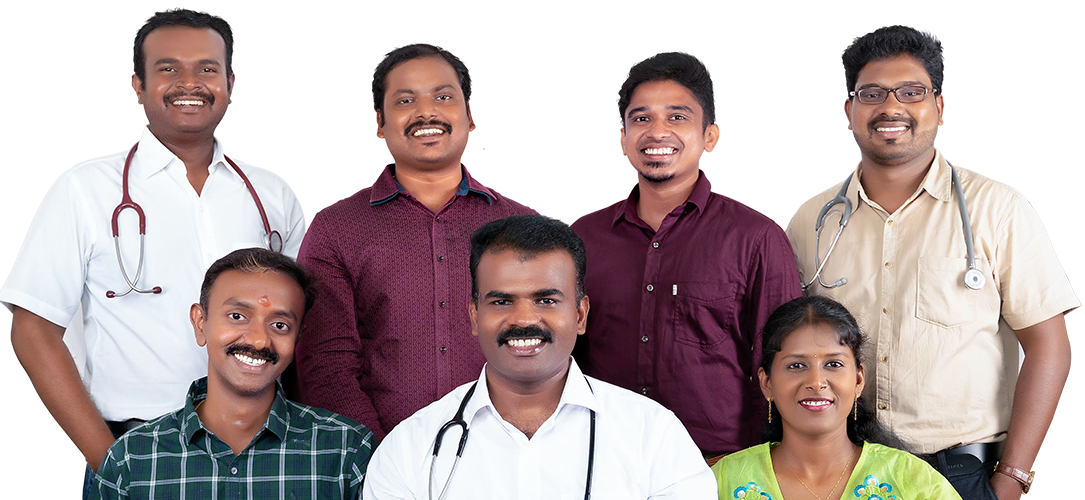
Certified and Experienced Doctors